
Publicado: 12 de febrero de 2026
Ultima actualizacion: 12 de febrero de 2026
Eficiencia de bomba de calor en inviernos de East Alabama
Escrito por Joseph Underwood, Fundador y tecnico HVAC certificado por EPA, AL #24178
Las bombas de calor encajan muy bien con el clima de East Alabama, pero su rendimiento depende de configuración, flujo de aire, controles y mantenimiento. Aquí te explicamos cómo mantener buen confort con menor costo operativo.
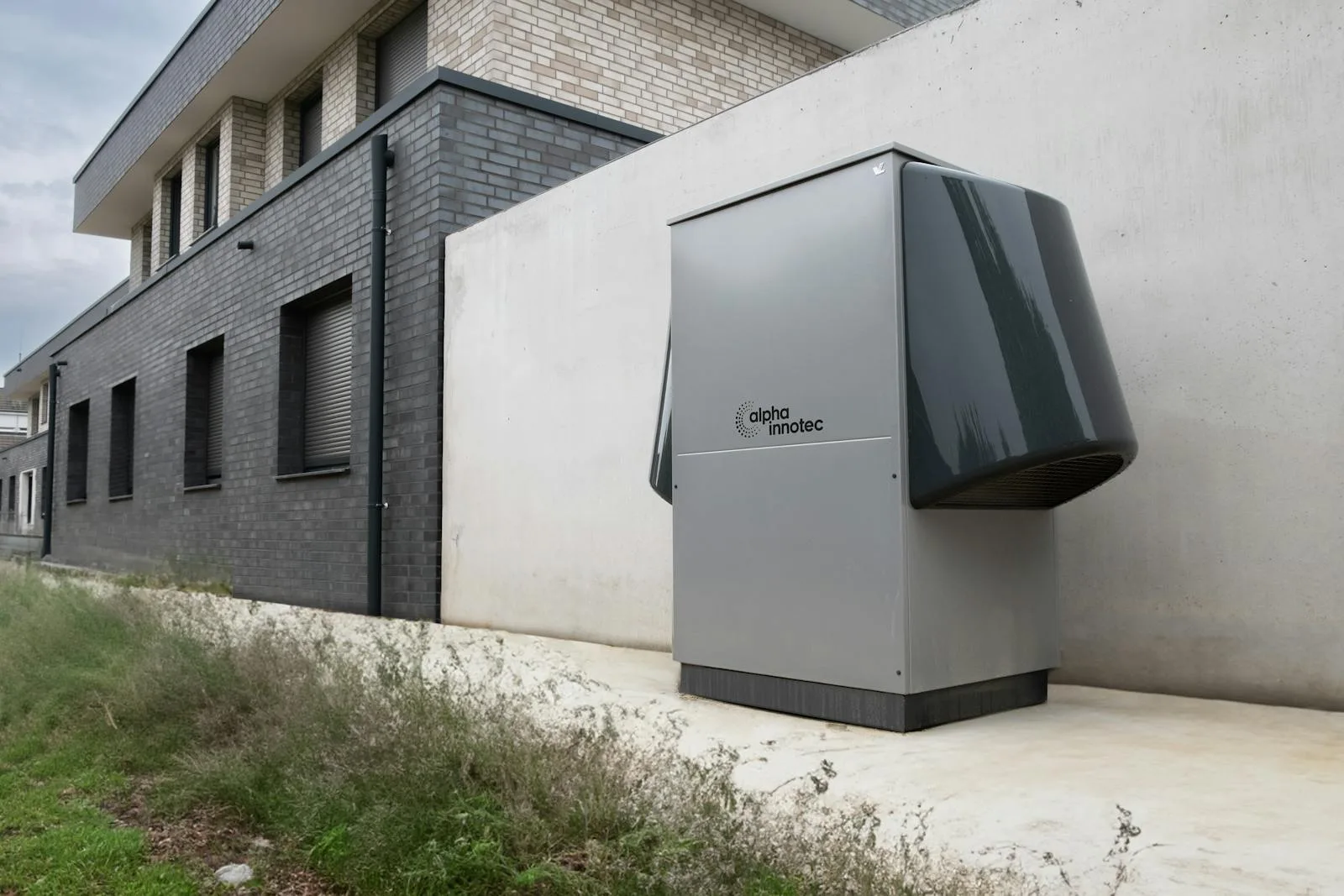
Por qué funcionan bien aquí
Los inviernos en East Alabama suelen ser más moderados que en climas del norte. Esto permite que una bomba de calor moderna cubra la mayor parte de la demanda con buena eficiencia, usando calor auxiliar sobre todo en picos de frío.
Factores que más impactan la eficiencia
- ✓Flujo de aire: filtros tapados y retornos restringidos alargan tiempos de operación.
- ✓Estrategia de termostato: bajones grandes pueden disparar calor auxiliar innecesario.
- ✓Deshielo: el manejo de hielo debe ser estable y oportuno.
- ✓Fugas en ductos: pérdidas en ático o crawlspace reducen calor entregado a la casa.
- ✓Estado del serpentín exterior: suciedad reduce transferencia térmica en frío.
Ajustes de termostato que sí ayudan
Si tienes bomba de calor, evita cambios grandes entre día y noche. Un ajuste de 1 a 2 grados suele ser mejor que bajar 5 a 8 grados, porque las recuperaciones agresivas suelen forzar más tiempo de resistencias auxiliares.
Los termostatos inteligentes sí ayudan, pero solo cuando se configuran correctamente para etapas de bomba de calor y comportamiento climático local.
Perfil invernal de East Alabama y efecto real en eficiencia
En la mayor parte del invierno local, la bomba de calor puede cubrir demanda con buena eficiencia. Las pérdidas más fuertes suelen aparecer en frentes fríos breves cuando ya existe restricción de flujo, setpoints agresivos o uso prolongado de calor auxiliar. Esos factores se pueden corregir sin reemplazo inmediato en muchos casos.
Factura alta no siempre significa equipo agotado. Con frecuencia encontramos combinación de filtro sucio, ductos con fuga, blower fuera de punto y control mal configurado. Por eso conviene revisar datos operativos antes de tomar decisiones grandes de inversión.
- ✓Días templados: la bomba debería sostener confort sin uso continuo de auxiliar.
- ✓Mañanas frías: apoyo de auxiliar breve puede ser normal, pero periodos largos ameritan revisión.
- ✓Ciclos de deshielo: vapor momentáneo y cambio de sonido son parte normal de operación.
- ✓Noches frías con alta humedad: restricciones de flujo se notan más en confort interior.
- ✓Setbacks grandes: suelen aumentar consumo al forzar recuperación con resistencias.
- ✓Ductos con fuga: reducen calor entregado y simulan baja eficiencia del equipo.
Mejoras de eficiencia invernal y rangos de costo
No todos los problemas de consumo requieren reemplazar la bomba de calor. Varias correcciones de menor costo mejoran confort y reducen auxiliar cuando se hacen con diagnóstico completo.
- $Afinación de calefacción con revisión de flujo y controles: normalmente $129 a $289.
- $Reconfiguración de termostato para etapas correctas: costo según modelo y cableado.
- $Corrección de fugas y balance de ductos: alcance variable, impacto alto en confort.
- $Diagnóstico de deshielo y sensores: suele costar menos que emergencias repetidas.
- $Cambio de capacitor o contactor: comúnmente entre $180 y $500.
- $Correcciones de motor/blower: costo variable según tipo de motor y acceso.
Goodman vs Carrier en bomba de calor y límites de seguridad DIY
Tanto Goodman como Carrier pueden rendir muy bien en este clima si se comisionan correctamente. Diferencias de control importan, pero flujo de aire, carga de refrigerante y estado eléctrico siguen siendo los factores clave.
- ✓Goodman suele requerir disciplina de limpieza exterior y revisión eléctrica programada.
- ✓Carrier comunicante depende de configuración de control y lectura estable de sensores.
- ✓En ambas marcas, hay que validar carga y flujo antes de concluir que el consumo es anormal.
- ✓En ambas, retornos restringidos y filtros saturados generan síntomas similares.
- ✓En ambas, documentar desempeño de deshielo y auxiliar mejora decisiones de servicio.
Advertencias de seguridad:
- !No puentear controles de deshielo ni terminales para forzar modos de operación.
- !No abrir paneles eléctricos sin bloqueo seguro y verificación con multímetro.
- !No agregar refrigerante sin licencia y procedimiento técnico completo.
- !Si hay disparos repetidos de breaker u olor a quemado, apagar y pedir servicio inmediato.
Bitácora simple antes de autorizar gasto mayor
Antes de aceptar una reparación grande o reemplazo, lleva una bitácora de siete días. Ese registro ayuda a separar problemas de control o flujo de fallas reales de equipo y reduce tiempos de diagnóstico.
- ✓Setpoint y temperatura interior mañana/noche.
- ✓Temperatura exterior aproximada en periodos de incomodidad.
- ✓Tiempo de indicador de calor auxiliar encendido.
- ✓Habitaciones que quedan 2 a 3 grados por debajo del setpoint.
- ✓Eventos de breaker, ruido inusual u olor y hora observada.
Control de facturación de invierno para medir mejoras reales
Para saber si una mejora realmente funciona, compara consumo y confort con un método simple. Toma una línea base de invierno y registra cambios después de ajuste de termostato, afinación o corrección de flujo.
- ✓Comparar consumo contra el mismo periodo del año anterior con clima similar.
- ✓Registrar número de horas con auxiliar activo por semana.
- ✓Anotar cambios de filtro y fecha de servicio para vincular eventos con consumo.
- ✓Identificar habitaciones con rezago térmico persistente para revisar ductos.
- ✓Revisar si ajustes de setpoint reducen ciclos largos sin perder confort.
Checklist simple para invierno
- Cambia filtros cada 1 a 3 meses según polvo, mascotas y alergias.
- Mantén la unidad exterior libre de hojas y residuos.
- Monitorea uso de calor auxiliar en tu termostato.
- Agenda afinación de calefacción antes de frentes fríos sostenidos.
- Corrige quejas de flujo de aire temprano en vez de seguir subiendo el setpoint.
Preguntas frecuentes
¿Las bombas de calor son eficientes en invierno en East Alabama?
Sí. La mayoría de días de invierno en East Alabama son suficientemente moderados para una operación eficiente, especialmente en sistemas inverter modernos.
¿Cuándo entra normalmente el calor auxiliar?
El auxiliar suele activarse en mañanas más frías o durante ciclos de deshielo. Si opera demasiado tiempo o con mucha frecuencia, puede haber problemas de flujo, dimensionamiento o control.
¿Conviene mantener el mismo setpoint todo el día?
Los ajustes pequeños suelen ser mejores. Cambios bruscos pueden activar auxiliar innecesario y bajar eficiencia global.
¿Cada cuánto se debe dar servicio a una bomba de calor para rendimiento invernal?
Al menos una vez por temporada de calefacción y otra afinación en primavera para enfriamiento. Serpentines sucios o componentes eléctricos débiles afectan rápido el rendimiento.
¿Quieres mejorar rendimiento invernal?
Podemos revisar flujo de aire, controles y etapas de bomba de calor para reducir uso de auxiliar y mejorar confort.
Fuentes autorizadas
Recursos oficiales y de verificacion de credenciales para este tema: