
Publicado: 8 de febrero de 2026
Ultima actualizacion: 8 de febrero de 2026
Calendario de mantenimiento preventivo HVAC comercial
Escrito por Joseph Underwood, Fundador y tecnico HVAC certificado por EPA, AL #24178
Las fallas HVAC comerciales son costosas porque impactan personal, clientes y operación. Este calendario ayuda a negocios de Phenix City y East Alabama a pasar de llamadas reactivas a confiabilidad planificada.
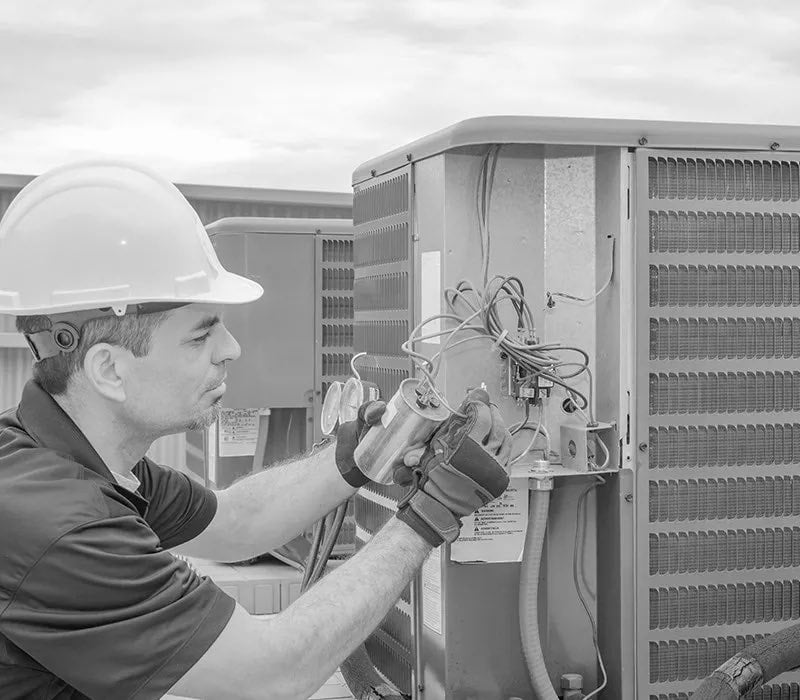
Frecuencia recomendada de mantenimiento
- Revisar filtros y reemplazar cuando sea necesario
- Inspeccionar condensado y drenajes
- Revisar termostatos y horarios de ocupación
- Registrar cambios de ruido, vibración u olor
- Pruebas de componentes eléctricos
- Revisión de serpentín y estado de blower
- Chequeo de flujo de aire y presión estática
- Verificación de refrigerante y desempeño
- Afinación de enfriamiento antes de verano
- Revisión de seguridad de calefacción antes de invierno
- Calibración de controles y análisis de tendencia
- Planeación presupuestal para próximos reemplazos
KPI operativos que sí debes medir
- ✓Número de llamadas de emergencia por trimestre
- ✓Tiempo promedio de recuperación después de una falla
- ✓Tendencia de consumo eléctrico contra el mismo mes del año anterior
- ✓Frecuencia de cambio de filtros por zona o rooftop
- ✓Fallas repetitivas por activo y ubicación
Marco para planeación de presupuesto
Divide el gasto HVAC en tres bloques: mantenimiento rutinario, reparaciones predictivas y reemplazo de capital. Esta estructura evita sorpresas y permite a operaciones planear mejoras por fases.
En negocios con múltiples unidades, prioriza activos por riesgo: primero zonas críticas de ocupación y luego áreas secundarias.
Presión estacional en Alabama y ventanas de planeación
En East Alabama, la carga de enfriamiento comercial suele subir antes de lo esperado. Incluso en meses de transición hay humedad alta y jornadas con operación prolongada. Esperar a la primera falla normalmente eleva costos por horas extra y afecta experiencia de clientes o personal.
El mejor resultado viene de adaptar el calendario al perfil operativo del sitio: retail, oficinas, restaurantes, clínicas o naves ligeras no tienen el mismo patrón de uso ni la misma sensibilidad a paros.
- ✓Enero-febrero: cerrar pendientes de calefacción y corregir tendencias eléctricas débiles.
- ✓Marzo-abril: limpieza de serpentines, estrategia de filtros y validación de drenajes.
- ✓Mayo-junio: revisar rendimiento de refrigeración y secuencias de economizador en cargas crecientes.
- ✓Julio-agosto: monitoreo semanal de alarmas y preparación de refacciones críticas.
- ✓Septiembre-octubre: análisis de KPI de verano y correcciones de control o ducto.
- ✓Noviembre-diciembre: transición a calefacción con verificación de seguridades y lockouts.
Rangos de costo para presupuestar mantenimiento comercial
Los costos cambian según tonelaje, acceso a techo, horas de operación y estado del activo. Aun así, los rangos base ayudan a separar gasto preventivo de gasto correctivo y a evitar sorpresas de último minuto.
- $Visita PM trimestral por unidad rooftop pequeña/media: aproximadamente $180 a $450.
- $Afinación estacional completa con lecturas documentadas: aproximadamente $250 a $700 por unidad.
- $Cambios de filtros comerciales: rango amplio según tamaño y meta de filtración.
- $Reemplazo de contactor o capacitor: típicamente $250 a $700 por evento.
- $Reemplazo de motor de ventilador: típicamente $700 a $2,000 según tipo y acceso.
- $Diagnóstico de emergencia fuera de horario: superior a tarifa diurna y con prima de despacho.
- $Calibración de controles y secuencias: costo según plataforma y complejidad.
Goodman vs Carrier comercial y límites de seguridad para personal interno
Flotas Goodman y Carrier pueden ser muy estables cuando se controlan flujo de aire, estado eléctrico y calidad de controles. La diferencia entre uptime sostenido y fallas repetidas suele ser disciplina de inspección, no solo marca del equipo.
- ✓Goodman rooftop suele requerir limpieza rigurosa de condensador en zonas con polvo y tráfico.
- ✓Carrier con paquetes de control exige calibración y verificación frecuente de sensores.
- ✓En ambas marcas, la estrategia de filtros debe equilibrar IAQ y límites de presión estática.
- ✓En ambas, conviene registrar diferencial térmico, amperaje y alarmas por activo.
- ✓En ambas, economizador y dampers fuera de calibración disparan consumo y llamadas repetidas.
Advertencias de seguridad para personal interno:
- !No abrir secciones de alto voltaje sin bloqueo-etiquetado y verificación con medidor.
- !No cargar refrigerante sin licencia y procedimiento completo documentado.
- !No puentear seguridades para mantener operación temporal de un equipo inestable.
- !Si hay disparos repetitivos o sobrecalentamiento de cableado, apagar y escalar de inmediato.
Checklist de auditoría mensual para supervisores
Un checklist mensual de supervisión ayuda a detectar desviaciones antes de que se conviertan en fallas operativas. Esta auditoría no reemplaza servicio técnico, pero mejora control de calidad entre visitas PM.
- ✓Confirmar fecha y evidencia de último cambio de filtros por equipo.
- ✓Validar que no existan alarmas ignoradas en termostatos o BMS local.
- ✓Inspeccionar visualmente drenajes, charolas y signos de humedad en plafones.
- ✓Registrar ruidos anormales, vibración o olores antes de apertura al público.
- ✓Revisar consistencia de temperatura en zonas críticas de ocupación.
- ✓Escalar de inmediato equipos con comportamiento eléctrico inestable.
Qué documentar después de cada visita para mejorar decisiones
La diferencia entre un programa PM básico y un programa de alto desempeño está en la documentación post-visita. Sin datos consistentes, cada falla parece aislada. Con datos, puedes priorizar activos, justificar inversión y reducir paros no programados.
- ✓Lecturas de temperatura suministro/retorno por unidad.
- ✓Amperaje de motor y estado de componentes eléctricos críticos.
- ✓Condición de filtros, drenajes y serpentines con evidencia fotográfica.
- ✓Alarmas activas y acciones correctivas recomendadas con prioridad.
- ✓Fecha objetivo de siguiente revisión según riesgo operativo del activo.
Preguntas frecuentes
¿Cada cuánto se debe dar servicio a un sistema HVAC comercial?
La mayoría de negocios se beneficia de inspecciones visuales mensuales, servicio técnico trimestral y afinaciones estacionales antes de picos de enfriamiento y calefacción.
¿Cuál es el error más común de mantenimiento en pequeños negocios?
Reaccionar solo cuando hay falla. Postergar mantenimiento aumenta emergencias, acorta la vida del equipo y casi siempre eleva el gasto anual.
¿Qué KPI debe monitorear una instalación?
Conviene medir caída de presión en filtros, diferencial de temperatura suministro/retorno, alarmas de tiempo de operación, número de emergencias y consumo eléctrico comparado año contra año.
¿El mantenimiento preventivo puede reducir costos de reemplazo?
Sí. Reemplazar componentes de forma predictiva y mantener flujo estable suele retrasar fallas mayores y permite planear inversiones en lugar de actuar en emergencia.
Construye tu calendario de mantenimiento
Podemos diseñar tu plan preventivo por tipo de activo, horas de operación y zonas críticas para reducir sorpresas operativas.
Fuentes autorizadas
Recursos oficiales y de verificacion de credenciales para este tema: