
Publicado: 15 de enero de 2026
Ultima actualizacion: 15 de enero de 2026
Lista de mantenimiento de A/C para los veranos de East Alabama
Escrito por Joseph Underwood, Fundador y tecnico HVAC certificado por EPA, AL #24178
Pasos rápidos para mantener tu A/C confiable antes de los picos de calor en Phenix City, Auburn, Opelika y zonas cercanas.
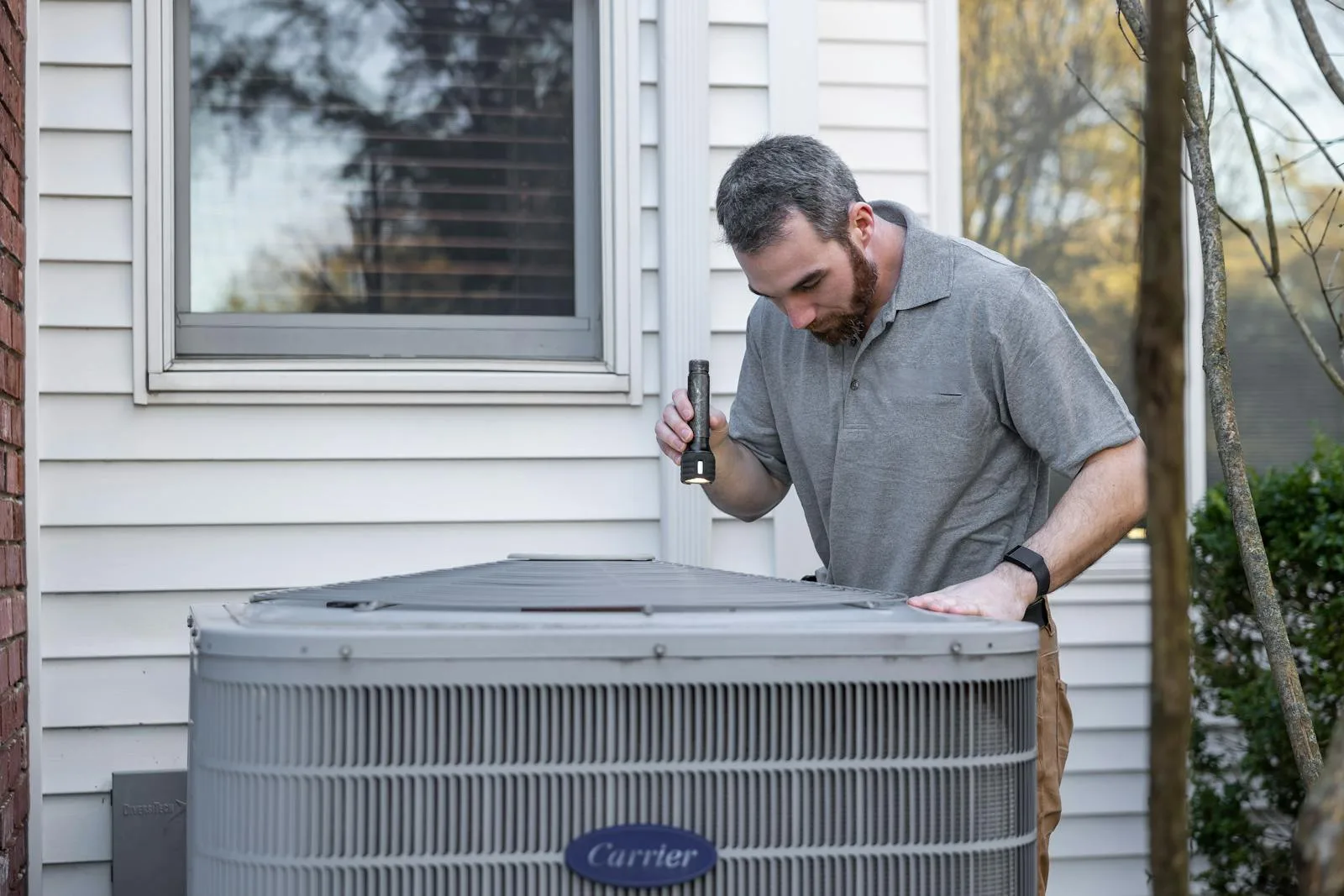
Revisión simple de pretemporada (10 minutos)
- ✓Cambia el filtro para evitar congelamientos de serpentín y mantener buen flujo de aire.
- ✓Despeja la condensadora: deja 2 a 3 pies de espacio y retira hojas o nidos.
- ✓Enjuaga las aletas del serpentín con suavidad de adentro hacia afuera; no uses hidrolavadora.
- ✓Prueba el termostato: busca una diferencia de 15 a 20°F entre retorno y suministro.
- ✓Mantén abiertas las rejillas de suministro y retorno para balancear el aire en cada habitación.
Limpieza profunda antes del verano
- ✓Enjuaga con cuidado el serpentín exterior de adentro hacia afuera; evita alta presión que dobla aletas.
- ✓Trata la bandeja de condensados con tableta y verifica goteo constante hacia afuera.
- ✓Nivela la base de la condensadora si está inclinada y separa tierra o mulch de la unidad.
Hábitos mensuales en semanas de mucho calor
- ✓Revisa filtros cada mes y cámbialos al primer signo de saturación.
- ✓Aspira rejillas de retorno y limpia registros de suministro.
- ✓Confirma que el drenaje de condensados esté goteando al exterior durante ciclos largos.
- ✓Escucha ruidos nuevos y reporta cuartos calientes antes de que escale la falla.
Checklist después de tormenta
- ✓Busca residuos atrapados en el ventilador o en el serpentín y retíralos con cuidado.
- ✓Revisa breaker; si se disparó, reinícialo una vez. Si vuelve a dispararse, pide servicio.
- ✓Espera de 5 a 10 minutos después de que regrese la luz antes de reiniciar el equipo.
- ✓Si usas protector contra picos, confirma que no se haya disparado y revisa si hay olor a quemado.
Puntos clave de una afinación profesional
Asegúrate de que la afinación de primavera incluya mediciones y tareas documentadas:
- ✓Presiones de refrigerante + superheat/subcool según especificación
- ✓Presión estática, amperaje del blower y estado del capacitor
- ✓Limpieza de serpentines evaporador/condensador; limpieza y tratamiento de drenaje
- ✓Calibración de termostato; verificación de diferencia de 15 a 20°F
- ✓Eléctrico: contactor, cableado y terminales de desconexión
Programaciones de termostato para ahorrar
- ✓En casa y despierto: 74 a 76°F con ventiladores de techo encendidos.
- ✓Fuera de casa por 4+ horas: 78°F para reducir tiempo de operación sin recuperaciones bruscas.
- ✓Noche: 74 a 75°F; evita bajones grandes para controlar mejor la humedad.
Llama rápido a un técnico si ves:
- ✓Hielo en líneas de cobre o en el serpentín evaporador
- ✓Breaker disparado, olor a quemado o zumbido en el contactor
- ✓Flujo de aire débil en toda la casa o ausencia de enfriamiento
Consejos locales para East Alabama
- ✓Temporada de polen: revisa filtros cada 30 días entre marzo y mayo.
- ✓Humedad alta: mantén drenajes limpios y evalúa deshumidificador para toda la casa.
- ✓Polvo de arcilla roja: enjuaga la condensadora más seguido cerca de caminos sin pavimentar.
Calendario estacional para Alabama que sí funciona
En East Alabama, la temporada de enfriamiento arranca temprano. Muchas casas ya operan A/C en marzo por las tardes y luego sostienen carga alta entre mayo y septiembre. Una sola afinación ayuda, pero los hogares que evitan fallas repetitivas siguen una rutina por mes y detectan cambios antes de una emergencia en fin de semana.
El patrón más común en llamadas de servicio es claro: polen y pelusa reducen flujo en primavera, humedad y tiempos largos castigan capacitores en verano, y tormentas revelan piezas eléctricas débiles. Por eso conviene alinear tareas de propietario con cada presión estacional.
- ✓Marzo-abril: cambio de filtro, limpieza de condensadora y verificación de drenaje antes del calor fuerte.
- ✓Mayo: revisar termostato, flujo de retorno y diferencial de temperatura antes de picos de demanda.
- ✓Junio-julio: inspección mensual de filtro, limpieza de vegetación y vigilancia de hielo en líneas.
- ✓Agosto: validar aislamiento de línea de succión y confirmar drenaje constante en ciclos largos.
- ✓Septiembre: registrar cuartos incómodos para planear correcciones de ducto fuera de temporada.
- ✓Octubre: revisión de cierre si subió consumo sin cambio de hábitos de termostato.
- ✓Después de tormentas: revisar breaker, desconectador y bloqueo por residuos en unidad exterior.
- ✓Todo el año: mantener bitácora simple de filtros, síntomas y mediciones de servicio.
Rangos de costo para mantenimiento y reparaciones menores
Los costos cambian según capacidad del sistema, antigüedad, y horario de atención, pero tener rangos de referencia ayuda a presupuestar antes de semanas de calor extremo. Planear en primavera suele costar menos que resolver en modo emergencia durante julio o agosto.
- $Cambio de filtro de 1 pulgada: normalmente entre $15 y $45 por filtro según MERV y marca.
- $Filtro de gabinete media: normalmente entre $45 y $120 según tamaño y espesor.
- $Limpieza y tratamiento de drenaje de condensado: normalmente entre $125 y $275.
- $Afinación de enfriamiento con lecturas documentadas: normalmente entre $129 y $289.
- $Reemplazo de capacitor de trabajo: frecuentemente entre $180 y $450 con diagnóstico incluido.
- $Reemplazo de contactor: frecuentemente entre $200 y $500 según acceso y compatibilidad.
- $Reemplazo de motor de ventilador: comúnmente entre $450 y $1,100 por tipo de motor.
- $Diagnóstico de emergencia fuera de horario: suele superar la tarifa estándar diurna.
Son rangos orientativos, no cotizaciones cerradas. El precio final depende del diagnóstico verificado, compatibilidad de partes y correcciones eléctricas o de código necesarias.
Notas Goodman vs Carrier y límites de seguridad para DIY
Equipos Goodman y Carrier pueden rendir muy bien si flujo de aire, carga de refrigerante y salud eléctrica se mantienen dentro de especificación. El proceso técnico es similar, pero cada familia de equipos muestra patrones comunes que conviene vigilar durante afinaciones y diagnósticos de no-enfría.
- ✓Goodman suele beneficiarse de limpieza más frecuente de serpentín en zonas con alto polen y polvo.
- ✓Carrier con controles comunicantes requiere cableado de bajo voltaje limpio y configuración correcta.
- ✓Ambas marcas necesitan validación de presión estática antes de subir MERV o velocidad de blower.
- ✓Ambas marcas deben tener superheat y subcool medidos y documentados, no estimados.
- ✓La garantía en ambas marcas depende de registro y evidencia de mantenimiento periódico.
Advertencias de seguridad para tareas caseras:
- !No abras tableros eléctricos ni reemplaces capacitores sin bloqueo seguro y verificación con multímetro.
- !No agregues refrigerante con kits de tienda; una carga incorrecta puede dañar compresor y violar normas EPA.
- !No uses hidrolavadora en serpentines; doblar aletas reduce intercambio térmico.
- !Si el breaker se dispara más de una vez, detén reinicios y pide diagnóstico profesional.
Agenda ayuda o mantenimiento
Si ya pasó un año o más desde tu última afinación, agenda una visita. Incluimos lecturas completas, limpieza de serpentines y tratamiento de drenaje. Los miembros del plan de mantenimiento reciben prioridad en agenda y beneficios 24/7.
Fuentes autorizadas
Recursos oficiales y de verificacion de credenciales para este tema: